
This blog will cover the science behind the breathings of panda and how it helps them to live a serene life. Pandas are very gentle animals who are known to be peaceful and slow-moving. They spend most of their time eating bamboos or resting in silent mountain forests of China. Their calm behavior is not just their personality. It is closely experienced by the way their bodies function, their breathing in particular. The manner in which pandas inhale impacts their energy along with their heart rate and their life. The blog will discuss the science that the panda breathing is based on and that they greatly help in sustaining the peaceful and balanced lifestyle.
Science Behind Panda Breathing
Panda takes slow and even breaths. Their breaths are deep and constant so that their bodies save energy. Unlike animals that run quickly or pursue actively, panda animals are not provided with the need for sudden fills of oxygen. Their relaxed lifestyle is in line with their slow breathing pattern. Deep breathing involves getting more oxygen into the body with each breath. This helps pandas to be alert without getting tired easily. Even though they move slowly their breathing allows them to remain in the relaxed and balanced state. The lungs are filled with ease and the chest comes up and down in a peaceful manner.
Bamboo is the primary food of panda, but it is very little energy. Because of this, pandas need to eat a lot nearly throughout the day to obtain the necessary nutrients they need. Their slow breathing helps with energy conservation – any bit of energy they have in their system is saved every awakening, and fast-breathers are energy-depleting somewhere in their body. Fast breathing pandas put energy into good use slowly and carefully. By breathing calmly, the heart rate of pandas is kept at a low level. The slower the rate of the heart, the lower the energy consumption. Their body functions without any rush. This enables them to spend long hours chewing the bamboo without getting tired.
#1. It’s the best place to relax and fun

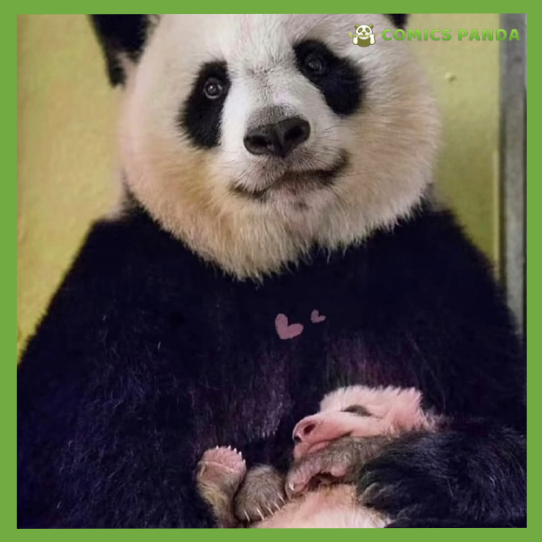
#2. How giant panda holds newly born baby panda
Breathing has a strong connection with emotions and body response. Many animals tend to breathe rapidly if they are scared, excited or under threat. Pandas will not breathe fast because they are generally calm in most situations. Their slow breathing helps in keeping their mind peaceful. This peaceful state provides a reduction of stress. Pandas do not live a life of constant fear and tension. Their breathing keeps their nervous system loose, so that their muscles can remain loose and the movements soft. It is part of what amounts to the mellow and friendly looks that pandas have.
#3. Looks a bit fed up

#4. How panda carries baby panda

The mountain environment can change quickly hot during the day, cold at night. Panda’s use their breathing in an attempt to control their body temperature. Slow-breathing conserves heat when it is cold at night. In doing so, it enables their body warmth to be maintained. Their breathing is often calm during warmer times so that they do not overheat. By not panting or breathing rapidly, they do not lose too much moisture. Their thick fur along with balanced breathing helps them to be comfortable in various weather conditions. Calm breathing keeps the stomach relaxed which improves digestion. It enables the body to devote energy more to processing food rather than reacting to stress.
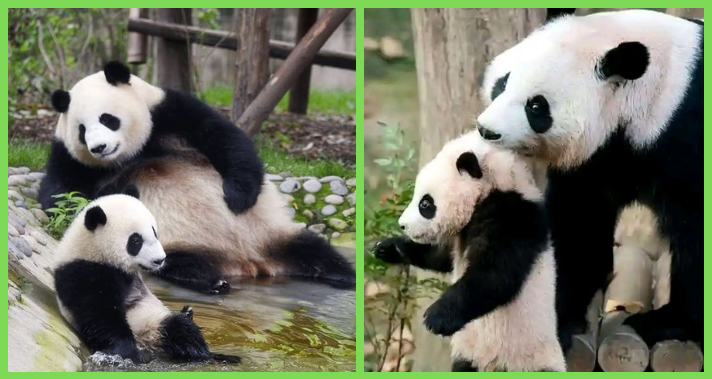
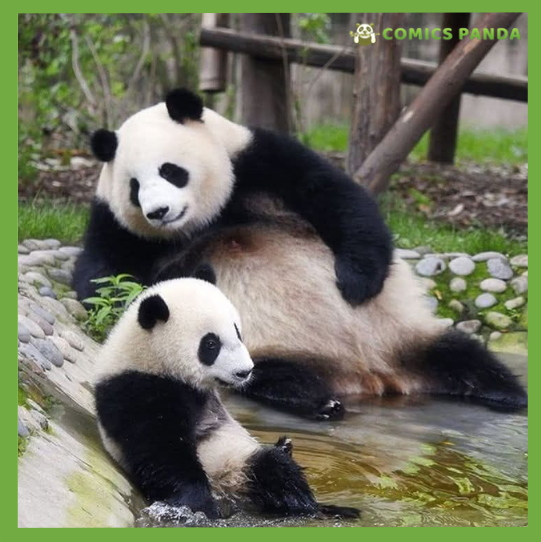
#5. Panda love to play with each other

Pandas do not move quickly. They walk slowly, climb carefully and sit peacefully while eating. Their breathing accompanies these tender movements. Slow breathing allows their muscles to be oxygenated without putting pressure on their heart or lungs. Their limbs remain strong due to the oxygen that is supplied to them by their relaxed breathing bisecting to the muscles. This helps them to climb up trees, walk on steep slopes and sit for long periods of time eating. Their breathing provides them with stability that they need to move without rushing.
#6. Perfect situation as Baby plays, Mum watching on relaxing
Pandas are day time resting animals. Their breathing becomes even softer when they sleep. While resting under bamboo or on the branches of trees, they inhale quietly and deeply. This type of breathing is to help the body to get over from long hours of feeding. Resting breath also ensures the health of the heart. A calm heart rate enables the pandas to be calm and peaceful even when the forest gets cold or windy. Their breathing ensures that their body temperature remains constant while they sleep and protects them from harsh nights in the mountains.
#7. Looks like Little Bear is plotting to take over the play yard

Panda do not use loud sound to communicate. Instead, they use soft movements and soft breaths to express their feelings. Their breathing may vary slightly according to their state of curiosity, relaxation or alertness. Even in the absence of loud noises, other pandas are able to detect such changes using body signals. This form of communication, which is quite quiet, is suitable for its solitary life. It helps them in being aware of each other without disturbing the calm environment of the forest. Panda communicate through scent and slight body signs instead of loud calling and their breathing is involved in this silent communication.
#8. So adorable and cute

Clearly, over the course of many thousand years, the pandas developed their ways of life with calmness, slow eaters and gentle animals. Their breathing developed according to their needs. And they didn’t need to breathe fast because they weren’t chasing down their prey and didn’t need to run for very long distances. Instead, they evolved a breathing pattern that enables them to be peaceably living in cool mountain forests. Without their sluggish and regular breathing style, pandas would not have been able to accommodate their energy levels and what they eat. Their restful breathing is one of the major reasons their energy needs from their food are very small.
#9. It’s feed time

#10. When Pandas have their picture taken its usually in black-and-white

The peaceful life of a panda is supported with something simple yet powerful breathing. Slow, steady breaths make their body and mind calm in a relaxed state. Their breathing helps them to save energy, digest the bamboo, regulate their temperature and move gently across the forest floor. It enables them to live in harmony with the quiet world around them in the mountains. Pandas teach us that it is not always strength that comes from speed or power. Sometimes, it emanates from a quiet breath, a silent mind and the steady rhythm of a tranquil life. If you liked this blog then don’t hesitate and share this information with people and visit our website for more stories on Pandas and wild animals.

Leave a Reply