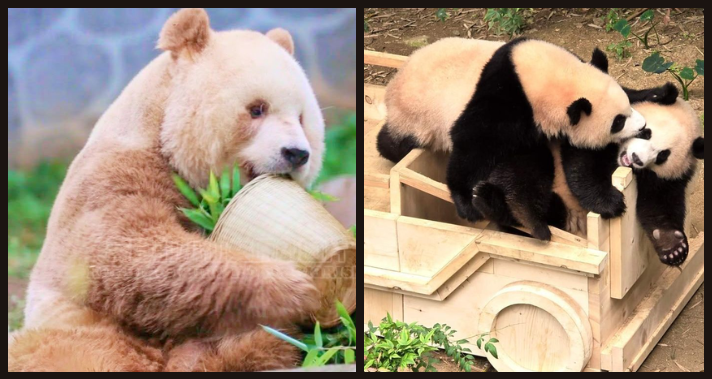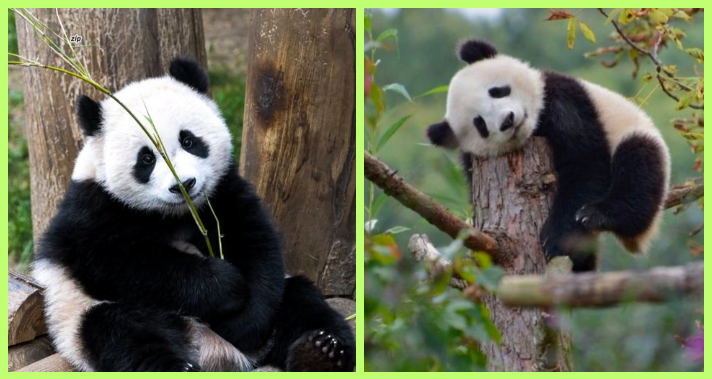
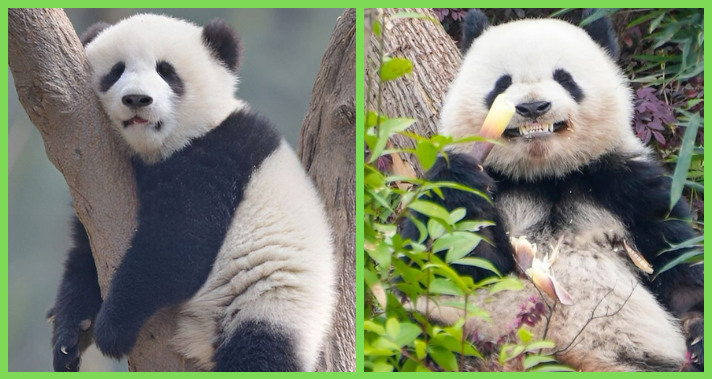
The first and importance reason for panda’s to move is simple that the bamboo changes with time. The bamboo in one place does not remain fresh for ever. After the soft leaves and shoots are eaten by pandas, the remaining stalks are of a harder and older age and less nutritious. Pandas do know when a feeding spot is no longer providing them with enough energy. They do not wait till entire bamboo disappears. Their bodies are able to feel whether the bamboo is starting to become dry or tough. When this occurs, the pandas start to search for a new area where the bamboos are fresh and abundant. This being said, such careful timings help them to maintain a steady supply of food everyday.
How Pandas Decide
A panda’s sense of smell is one of the best tools that it has. They use it to determine whether a feeding area is still good or it is time to move on. Panda can smell the freshness of the bamboo leaves and shoots. They can also tell when there are minor changes in the air mentioning green new bamboo nearby. Their nose is used by them to tell all about the location of food. It also helps them avoid areas which other pandas recently visited. This prevents over-crowding and it allows bamboo in some places to grow again. Each panda follows their own path using the scent as a guide to ensure that they find food without disturbing others.
Even though panda are quiet animals, they pay close attention to the sounds around them. The forest is full of clues. The rustling of bamboo can let them know whether the leaves are thin or thick. The movement of small animals may be an indication of whether or not the area has been disturbed in recent years. Pandas make their decisions based on observing these softly sounds. They know that an area left alone and undisturbed is likely to be full of fresh bamboo. And their ability to read the forest helps them then to choose the safe and comfortable feeding spots.
#1. Panda holds the tree tightly

#2. So beautiful

Seasons are a big factor when it comes to where hyenas choose to take habitat for their meal. During spring and summer new bamboo shoots are available in higher elevations. These shoots are soft and very moist and are easier to digest. Pandas are aware of this and love to migrate uphill as part of their new found bounty. In colder seasons, the bamboo, in high areas, can get snow-covered or have a slow growth. At this time the pandas travel down-hill where the forest is warmer and the bamboo is still accessible. These seasonal movements though small are important. They help panda to stay near the best food sources all year round.
#3. Time to relax and sleep

#4. A giant panda eating a bamboo shoot

Pandas do not need to study bamboo they feel the condition of bamboo naturally. When the bamboo gets too old it becomes dry and loses its nutritional value. Pandas can detect this change by their sense of taste and smell. Fresh bamboo is very fragrant. Old bamboos have stiffness and it does not contain as much moisture. Pandas pay attention to these matters. If they can see change in taste of flavor or texture they know it’s time to move to a different area. They also consider the color of leaves. Giving off bright green leaves is an indication that the plant is healthy. Yellow or brown leaves would indicate that the bamboo is getting older. Pandas use these signs to determine whether or not the feeding spot is worth staying in.
#5. Checking the bamboo before eating

Pandas are solitary animals. They prefer to live and eat in solitude. When a panda gets the feeling that another panda has been using a feeding spot lately, he or she may elect to move on. Their smelling power enables them to practice scent marking left by others. These scent marks help the pandas to avoid conflict. By moving to a new area, they avoid competition for bamboo. This peaceful behavior allows each panda access to sufficient levels of food without having to fight or disturb other pandas. Panda’s not only looking for food, but also comfort. A good feeding area must be a safe and peaceful area. They like to stay where there is thick bamboo which provides shade and protection from wind and rainfall.
#6. This is how cute baby panda looks like

If a spot becomes too exposed or noisy because of the weather changing or the animals frequenting the spot, then the pandas can move out even if there is still food left. Safety and comfort are important components of their choice. Pandas often select areas where they can rest easily after when they are done eating for a long time. Panda drink water regularly, especially considering the fact that bamboos are low in moisture, when compared to other plants. When selecting a feeding area, pandas prefer areas adjacent to clean sources of water such as streams or small pools of water in the forest. If there is a water source that dries up or is harder to get to then pandas may make the trek to help serve another location even if bamboo is still present. It is very important for their digestion and good health to be hydrated. This need for fresh water is reflected in their movements.
#7. Perfect love moment

Pandas do not forget about their home range very easily. They know where bamboo grows at the best time of the year. They also remember safe paths, good resting places and places where they found plenty of food in the past. Their decisions are based on their instinct as well as their experiences. Over time, they are able to learn which areas regrow their bamboo at a faster rate and which places to avoid. This natural intelligence helps them to survive without losing energy.
#8. It’s better to spend some time alone

Panda’s Schiller moves slowly but their decisions are thoughtful. They do not hurry from one area to another. Instead, they walk peacefully through the forest, testing the smell in the air, the feel of the ground and the growth of the bamboo. They have slow movements, which enables them to carefully observe the environment. They use the time to explore new areas before settling down. Such planning prevents them facing the most appropriate places to feed without any tension. The manner in which the panda select feeding areas indicates their strong relation to nature. They do not remain long enough at one place to cause any damage to bamboo. Their movement enables bamboos to grow new bamboos and keep the forest green.
#9. A giant panda mother cuddling her cub

#10. Rolling Panda

Pandas make the choice of when to relocate to a new feeding area based on their surroundings. They use smell, taste, sound, memory and instinct to determine when a spot is no longer to their advantage. They migrate seasonally, stay away from large populations, and they seek out places where they can get comfortable, safe, and clean water. Their choices can look easy, but their choices are informed by intelligence and experience. Through peaceful behavior and by observing the forest, pandas live in harmony with the natural habitat. Their manner of selection of feeding areas demonstrates how much in touch they are with the natural world around them. In case you liked this blog, just spread it around and go to our site where you can find more relaxing and motivating stories of the wildlife.